Every homeowner wants a durable, long-lasting shelter to protect their family and belongings from the elements. Over time, various weather conditions can test the strength of your residential roofing, and hail is easily one of the most destructive forces nature can dish out. While a major storm with visible destruction obviously signals trouble, even minor storms can cause subtle, long-term degradation. Understanding how storm impacts weaken your home's top line of defense is essential for preserving property value and structural integrity. Being proactive about maintenance allows you to address subtle issues before they turn into costly disasters down the line. In this guide, we will examine how sudden storm impacts shorten lifespan, what specific components suffer the most, and why taking action early is the best way to safeguard your investment.
Compromising the Integrity of Asphalt Shingles
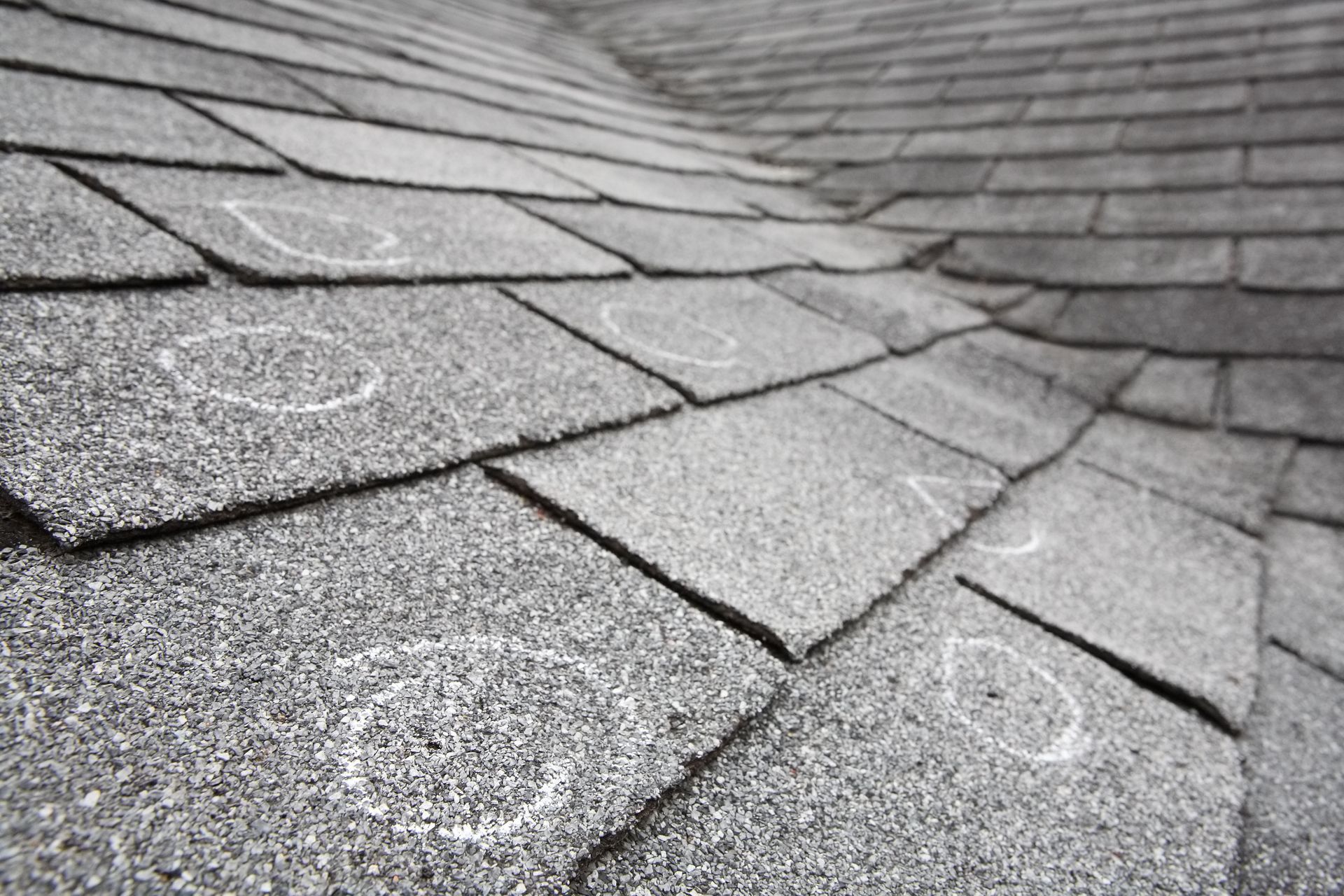
Asphalt shingles are designed to shed water and reflect sunlight, thanks to a thick surface layer of mineral granules. When ice pellets strike a residential roofing system during a storm, the intense force can strip these protective granules away, leaving the underlying felt or fiberglass substrate exposed. Once exposed, UV rays from the sun rapidly accelerate the deterioration of the underlying materials. Over time, this localized damage causes shingles to become brittle, crack, or curl, drastically shortening their normal operational lifespan. Furthermore, missing granules can wash directly into your gutters, signaling that your primary weather shield is rapidly losing its ability to withstand daily outdoor exposure.
Creating Hidden Fractures and Structural Dents
Not all storm damage manifests as obvious surface loss; heavy impacts can also cause internal fracture networks within residential roofing materials. When high-velocity ice strikes a surface, it creates microscopic cracks in the underlying wooden deck, synthetic underlayment, or composite materials. These fractures might not leak right away, but repeated temperature changes cause them to expand over time. As water creeps into these tiny cracks during rainstorms, it freezes and expands during colder months, widening the gaps further. This slow cycle of freeze and thaw continuously weakens structural components, eventually leading to unexpected leaks months after the original storm has passed.
Accelerating Moisture Intrusion and Internal Rot
Once the protective outer barrier of your property is breached, moisture inevitably finds its way beneath the surface layer. Water that seeps through damaged shingles quickly saturates internal underlayment and wooden support beams. Over time, trapped moisture creates the ideal environment for wood rot, mold growth, and structural decay. Structural decay compromises the load-bearing capacity of rafters and decking, which can eventually lead to sagging or severe structural failure. According to MyWild, New Jersey averages 5.8 incidents of severe hail each year. This frequency means local residential roofing systems face repeated exposure to water intrusion risks, making timely interventions crucial for long-term health.
Weakening Flashing and Critical Sealants
A complete protective system relies heavily on flashing and flexible sealants installed around chimneys, vents, skylights, and valleys. High-impact storms can dent metal flashing, break seal bonds, or shift protective metal panels out of alignment. When metal flashing is bent or loose, water easily bypasses primary barriers and flows straight into your home's interior framework. Additionally, sealant materials around residential roofing penetrations can crack under severe physical stress, creating direct pathways for moisture. Neglecting these small entry points allows water to infiltrate interior walls and ceilings, leading to extensive drywall repairs, ruined insulation, and widespread property damage.
Dislodging Granules into Gutter Systems
Your gutter network plays a vital role in directing rainwater safely away from your foundation and siding. However, when storm impacts dislodge large amounts of surface granules from residential roofing shingles, these heavy particles flow down the slope and settle inside gutter troughs. Over time, accumulated granules mix with leaves and general debris, forming heavy, dense blockages that prevent proper drainage. Overflowing gutters spill water along fascia boards, soffits, and exterior walls, accelerating exterior decay. Keeping an eye on your drainage outlets after major weather events helps you catch excessive granule loss early, giving you a clear warning sign that professional attention is required.
Reducing Overall Energy Efficiency of Your Home
Damage from severe weather impacts does not just threaten structural stability; it can also harm your home's thermal performance. When protective granules wash away, exposed dark residential roofing surfaces absorb significantly more solar heat during warmer months. This excess heat transfers straight into your attic space, forcing air conditioning units to work much harder to maintain comfortable indoor temperatures. Higher energy consumption leads directly to elevated utility bills throughout the summer. Restoring damaged materials helps preserve proper attic insulation performance and maintain optimal energy efficiency for your entire residence.
Lowering Property Value and Curb Appeal
Beyond functional concerns, physical damage from storms can severely diminish the visual appeal and market value of your property. Dented metal components, missing granules, uneven coloration, and cracked shingles give a home a neglected, worn-down appearance. If you plan to sell your property in the future, prospective buyers and home inspectors will quickly identify these visible defects. A home with unaddressed residential roofing damage often leads to lower offers or demands for expensive repairs before closing. Investing in regular maintenance ensures your home retains its aesthetic charm, market strength, and overall value.
Voiding Manufacturer Warranties Prematurely
Many high-quality building materials come with long-term manufacturer warranties that cover defects and performance over several decades. However, these warranties typically require homeowners to perform regular maintenance and promptly repair storm damage. If unaddressed severe weather damage is left to deteriorate for extended periods, manufacturers may deny future warranty claims. Documenting storm events and scheduling routine inspections helps preserve your warranty coverage. Protecting your financial guarantees ensures that you are not left paying out of pocket for repairs that would otherwise be covered under standard manufacturer agreements.
Increasing Long-Term Repair and Replacement Costs
Ignoring minor storm damage always leads to far greater expenses down the road. What begins as a quick patch job for a few bruised shingles can rapidly escalate into full-scale deck replacement, mold remediation, and ceiling repairs if water penetrates deep inside the structure. Delaying action allows subtle problems to compound over time, transforming simple maintenance into complex, disruptive overhaul projects. Taking prompt action following severe weather events prevents secondary damage, saving you significant money, stress, and hassle in the long run.
Partnering with Local Experts for Lasting Protection
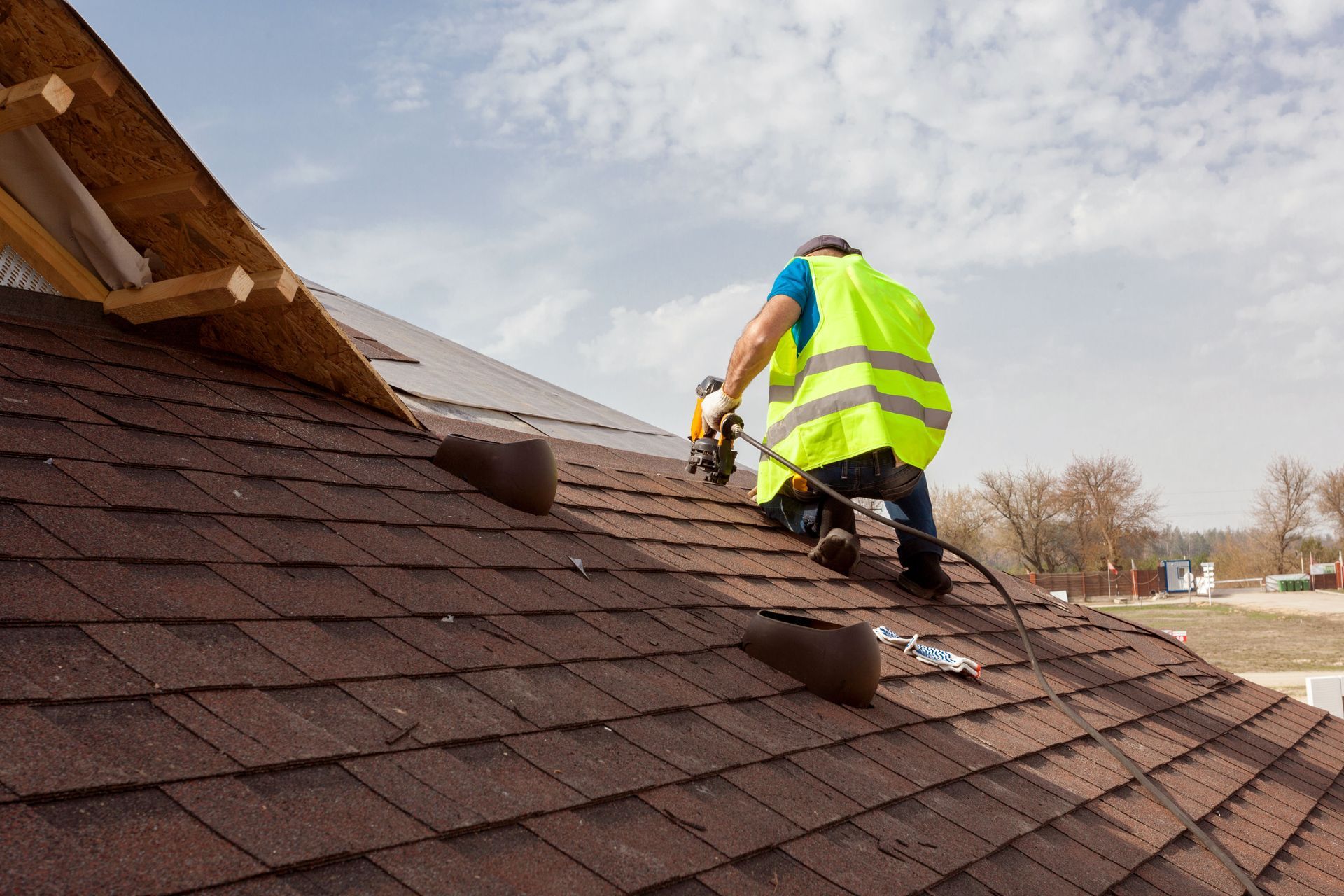
Navigating the aftermath of a severe weather event can feel overwhelming, but you do not have to handle it alone. Partnering with seasoned local specialists guarantees that every inch of your residential roofing system is thoroughly evaluated and expertly restored. Local contractors understand specific regional climate challenges and apply proven techniques tailored to local building standards. With over 15 years of experience, skilled professionals deliver reliable solutions that extend structural lifespan, restore peace of mind, and protect your home against future storms for years to come.
Taking care of your home means staying proactive after every major weather event. Identifying hidden damage early prevents minor issues from spiraling into massive structural repairs, ensuring your investment remains strong and secure. Pro Dry Roofing & Restoration LLC provides expert care across Morris County and Hunterdon County, NJ, giving homeowners dependable solutions built on over 15 years of experience. We offer free and quick estimates to assess your property without delay. Call us today to learn more about how we can safeguard your home against severe storm damage.